preloader
Research and Innovation Center
Call Us: (082) 305-0645/47 loc 174 (082) 244-3457-58 loc 174
Email Us: ric@umindanao.edu.ph


All Projects to Date


Filter:

Infinit Learning Management System
Government-Funded/Commissioned Research College of Computing Education Completed
#Funded/ Commissioned R & D Project

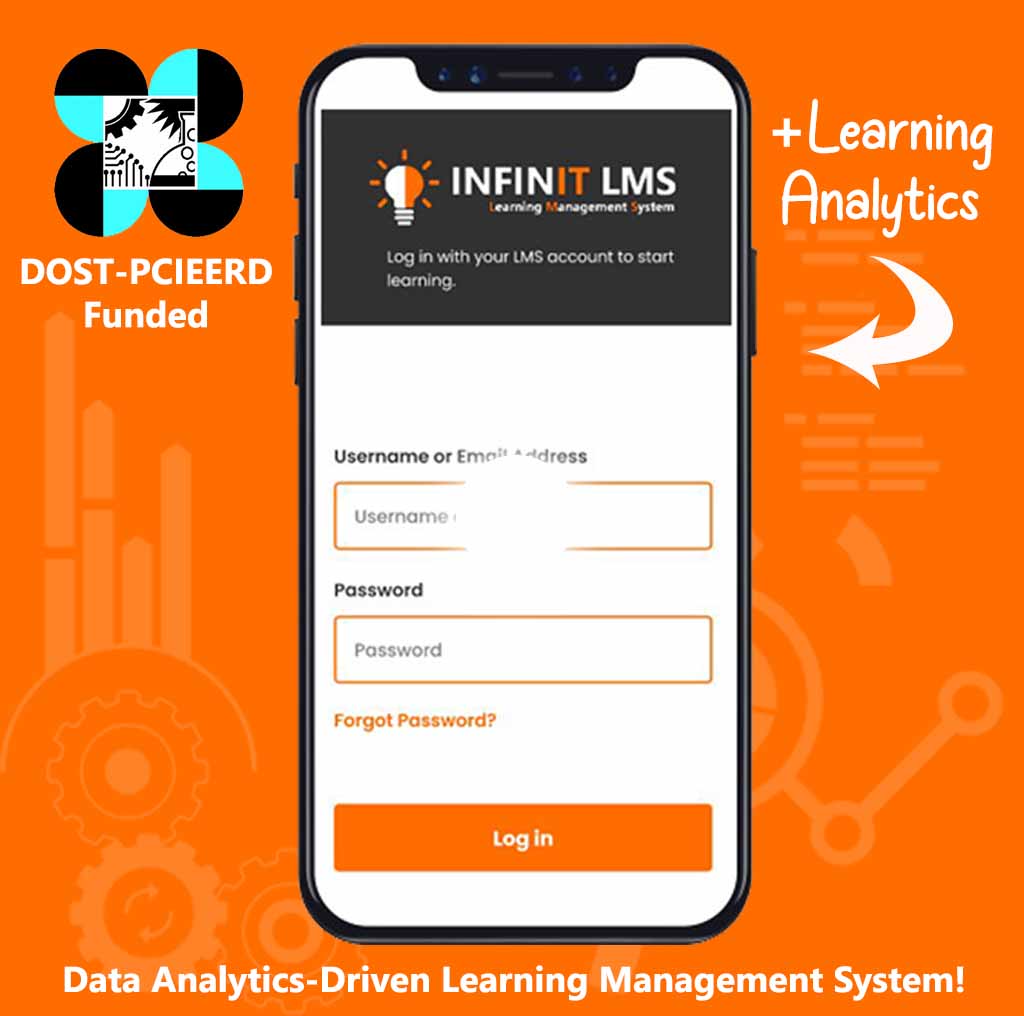
Infinit LMS is a modern Learning Management System designed to support flexible, accessible, and technology-driven education for schools, colleges, universities, and training institutions. The platform provides educators and administrators with a centralized environment for managing courses, delivering learning materials, conducting assessments, monitoring student performance, and facilitating communication between teachers, students, and parents.

RePET: Reinforced Waste PET (Polyethylene Terephthalate) bottle-derived 3D Printing Thermoplastic Filament with Carbon Nanomaterials from Durian Rinds
Government-Funded/Commissioned Research College of Engineering Education Ongoing
#Funded/ Commissioned R & D Project

The project titled "RePET: Reinforced Waste PET Bottle-Derived 3D Printing Thermoplastic Filament with Carbon Nanomaterials from Durian Rinds" focuses on developing a sustainable and high-value material from two major waste streams in the Davao Region: discarded polyethylene terephthalate (PET) bottles and agricultural waste from durian rinds. At its core, the project aims to address persistent environmental challenges related to plastic pollution and agricultural residue disposal by transforming these wastes into a functional 3D printing filament. Waste PET bottles are mechanically processed into thermoplastic material, while durian rinds are utilized to synthesize graphene-like carbon nanomaterials derived from nanocellulose fibers. These nanomaterials serve as reinforcing additives that enhance the mechanical strength, thermal stability, and overall performance of the resulting filament. The innovation lies in integrating waste valorization with advanced materials engineering and additive manufacturing (3D printing). By producing a reinforced, lightweight, and durable filament, the project contributes to sustainable manufacturing practices and supports circular economy principles. It also aligns with national and global priorities, including advancements in nanotechnology, responsible consumption and production, and climate action. Ultimately, the project envisions not only environmental benefits through waste reduction but also economic and social impacts by enabling scalable production, supporting the 3D printing industry, and creating opportunities for employment and local innovation.

Promoting Agricultural-residues as Alternative for Ceramic and Engineered bio-Composites: A LABoratory Evaluation of its Acoustical and Thermal Properties
Government-Funded/Commissioned Research College of Engineering Education Ongoing
#Funded/ Commissioned R & D Project

Achieving energy efficiency involves adopting efficient practices, designs, methodologies, and technologies to reduce energy use and achieve cost savings. The use of thermal insulation materials in building walls and roofs is the most relevant tool to improve energy performance, reducing the resource consumption and the associated environmental burdens arising from the combustion of fossil fuels, such that the average energy consumption in the Philippines is 200kWh for a residential household alone, according to Meralco in 2023. Furthermore, the use of thermal insulation materials reduces heat loss from buildings, resulting in considerable energy and cost savings for air conditioning and heating throughout the building's lifetime. Moreover, as the densification of metro cities such as Metro Manila (71,263 p/km2) and Metro Cebu (24,355 p/km2) imposes risk i n human health due to traffic and environmental noise pollution, thus requiring soundproofing technologies. However, evidence-based solutions can address these problems by valorizing crop residues through engineered materials such as fiber-oxide ceramic tile matrices and bio-based "mycelium" composite panels, integrated with highly functionalized crystalline nanocellulose.

DREAM-Ph (DPWH Road Evaluation and Mapping of Potholes): Geospatial, Prescriptive and Diagnostic Analytics for Road Pothole Detection and Classification
Government-Funded/Commissioned Research College of Engineering Education Ongoing
#Funded/ Commissioned R & D Project

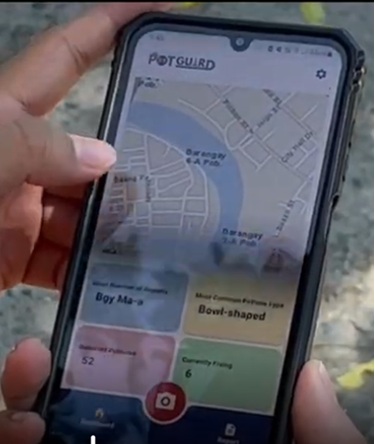
This project seeks to develop an intelligent, mobile-based system for the detection, classification, and geospatial mapping of potholes along national roads managed by the DPWH Davao City District Engineering Office.

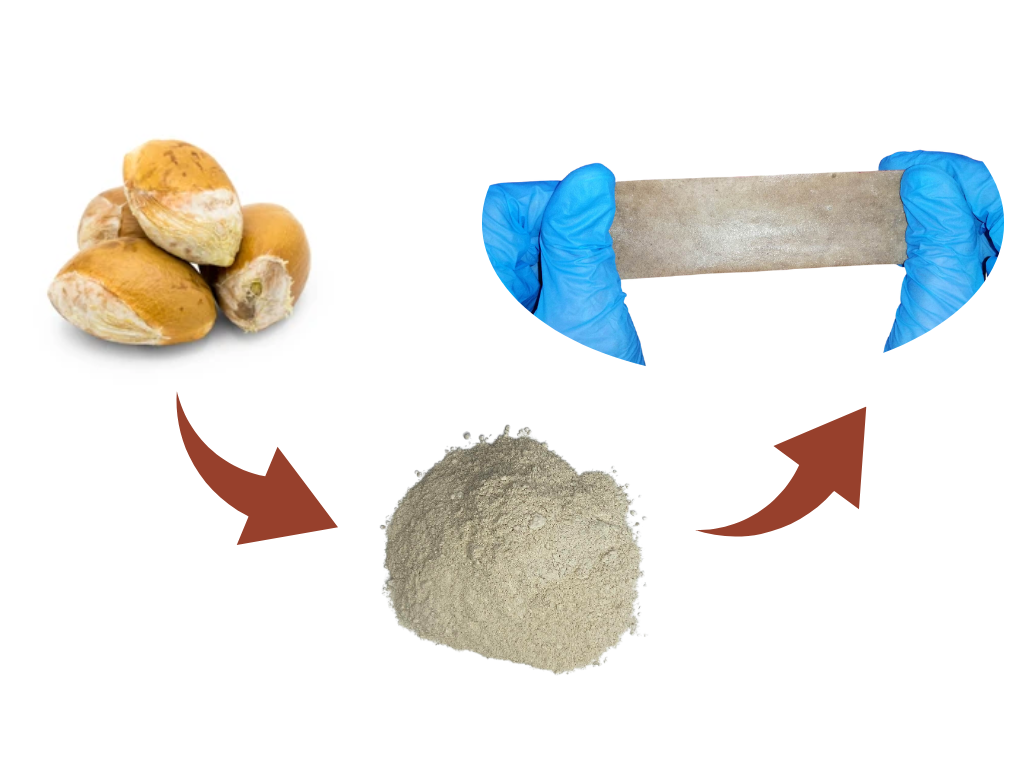
Synthesis of Biodegradable, Water-soluble Film from Durio zibethinus (Durian) Seed Nanostarch as Food Packaging Material
Government-Funded/Commissioned Research College of Engineering Education Ongoing
#Funded/ Commissioned R & D Project

The study developed a biodegradable, water-soluble film as a food packaging material, with the application of nanotechnology, to achieve augmented properties. Specifically, the synthesized nanostarch and film were characterized, and properties (physicochemical, physical, barrier, optical, and mechanical) of the film were tested. The films were synthesized at varying concentrations of glycerol and polyvinyl alcohol to optimize its properties.

StabiLign: A Sustainable Lignin-based Soil Stabilizer Technology from Waste Wood and Recycled Concrete for Pavements
Government-Funded/Commissioned Research College of Engineering Education Ongoing
#Funded/ Commissioned R & D Project

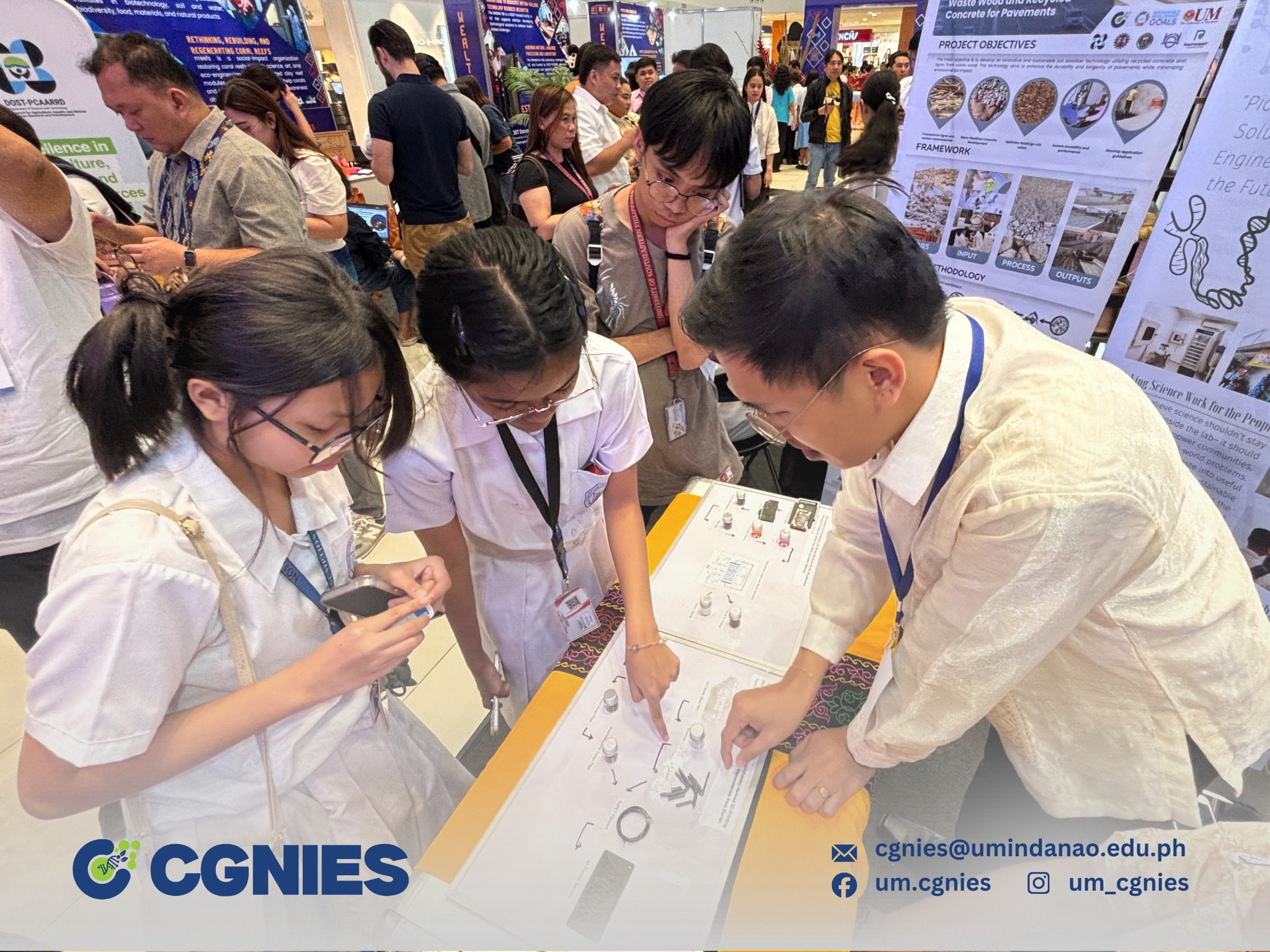
StabiLign is a research-driven innovation focused on developing a sustainable soil stabilizer made from lignin extracted from coconut wood sawdust and recycled concrete aggregates (RCA). The project aims to enhance the mechanical properties and long-term durability of pavement subgrades while promoting circular economy principles in road construction. Specificaly, it seeks to: (1) characterize lignin and carbon nanomaterials from wood and agricultural waste; (2) synthesize and test a nano- modified RCA and lignin based stabilizer; (3) optimize its composition for moisture control and strength; (4) evaluate its durability under environmental stress; and (5) develop application guidelines for practical use.

eScholar: A Mobile Responsive Web App for Educational System Unit with Prescriptive AnalyticsBenefit System
Government-Funded/Commissioned Research College of Computing Education Ongoing
#Funded/ Commissioned R & D Project

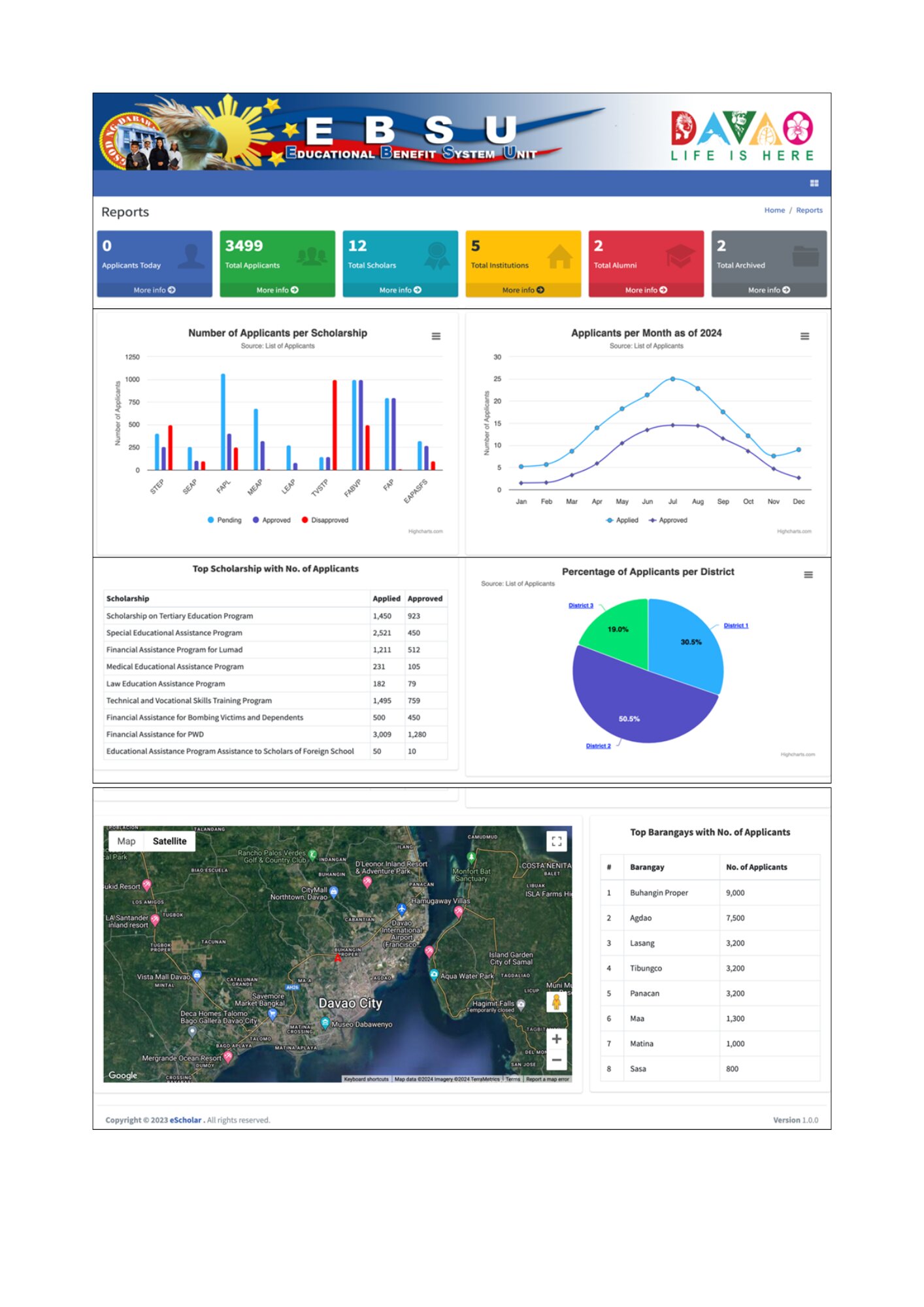
A mobile responsive application for the local government, particularly in the Educational Benefits System Unit of Davao City that allow student applicants to access remotely the various scholarship program offered by the EBSU department anytime and anywhere using the mobile and desktop platform, integrate technologies to notify applicants and grantees about the status of their application, generate reports that can filter according to applicants and grantees status, locations, schools, year, course and distinctions, uses data analytics on captured data for admin insights and basis for decision-making, develops analytics framework as a decision support tool in improving the applicant selection process, and predicts scholarship programs for students who have not selected, additional budget allocation, and courses needed in the next academic year.

Development of Electrodialysis with Bipolar Membrane for the Simultaneous Recovery of Cobalt and Lithium from Waste Secondary Batteries
Government-Funded/Commissioned Research College of Engineering Education Ongoing
#Funded/ Commissioned R & D Project

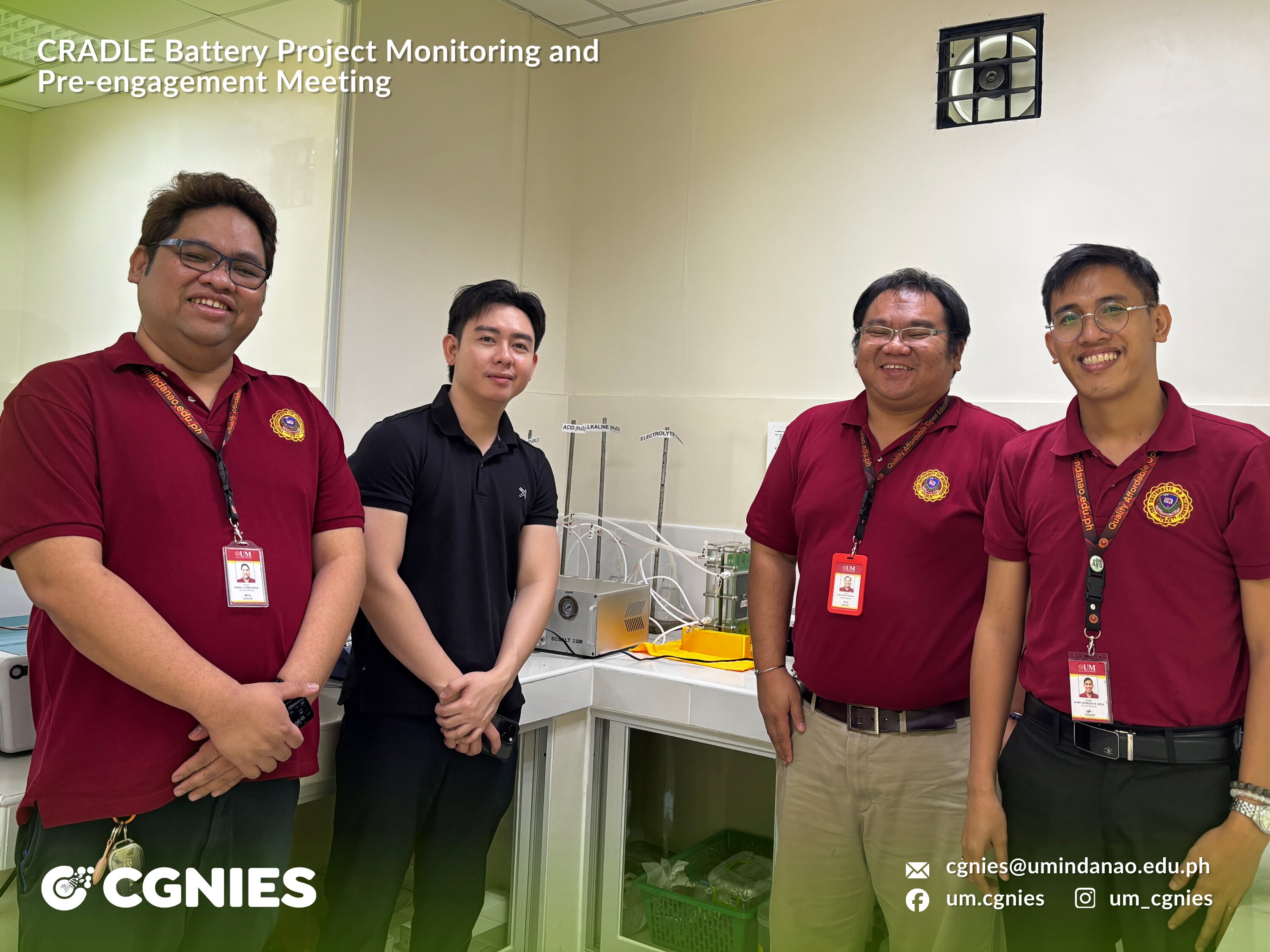
The project "Development of Electrodialysis with Bipolar Membrane for the Simultaneous Recovery of Cobalt and Lithium from Waste Secondary Batteries" aimed to develop a sustainable and efficient process for recovering valuable metals from spent lithium-ion batteries. Implemented by the University of Mindanao in collaboration with Radicor Metal Manufacturing under the DOST CRADLE Program, the project responds to the growing need for environmentally sound battery waste management and resource recovery. The study developed an electrodialysis with bipolar membrane (EDBM) system capable of simultaneously separating and recovering lithium and cobalt from battery-derived feed solutions. The process enabled the production of high-purity lithium hydroxide and a cobalt-rich product suitable for further reuse, while reducing chemical consumption and secondary waste generation compared with conventional recovery methods. Results demonstrated that waste lithium-ion batteries are a viable secondary source of critical metals and that the proposed EDBM-based approach is technically effective, energy-efficient, and environmentally beneficial. With high recovery performance, lower operating cost potential, and promising scalability, the project provides a strong basis for localized battery recycling, technology commercialization, and support for circular economy initiatives.

MetalEco
Government-Funded/Commissioned Research College of Engineering Education Ongoing
#Funded/ Commissioned R & D Project

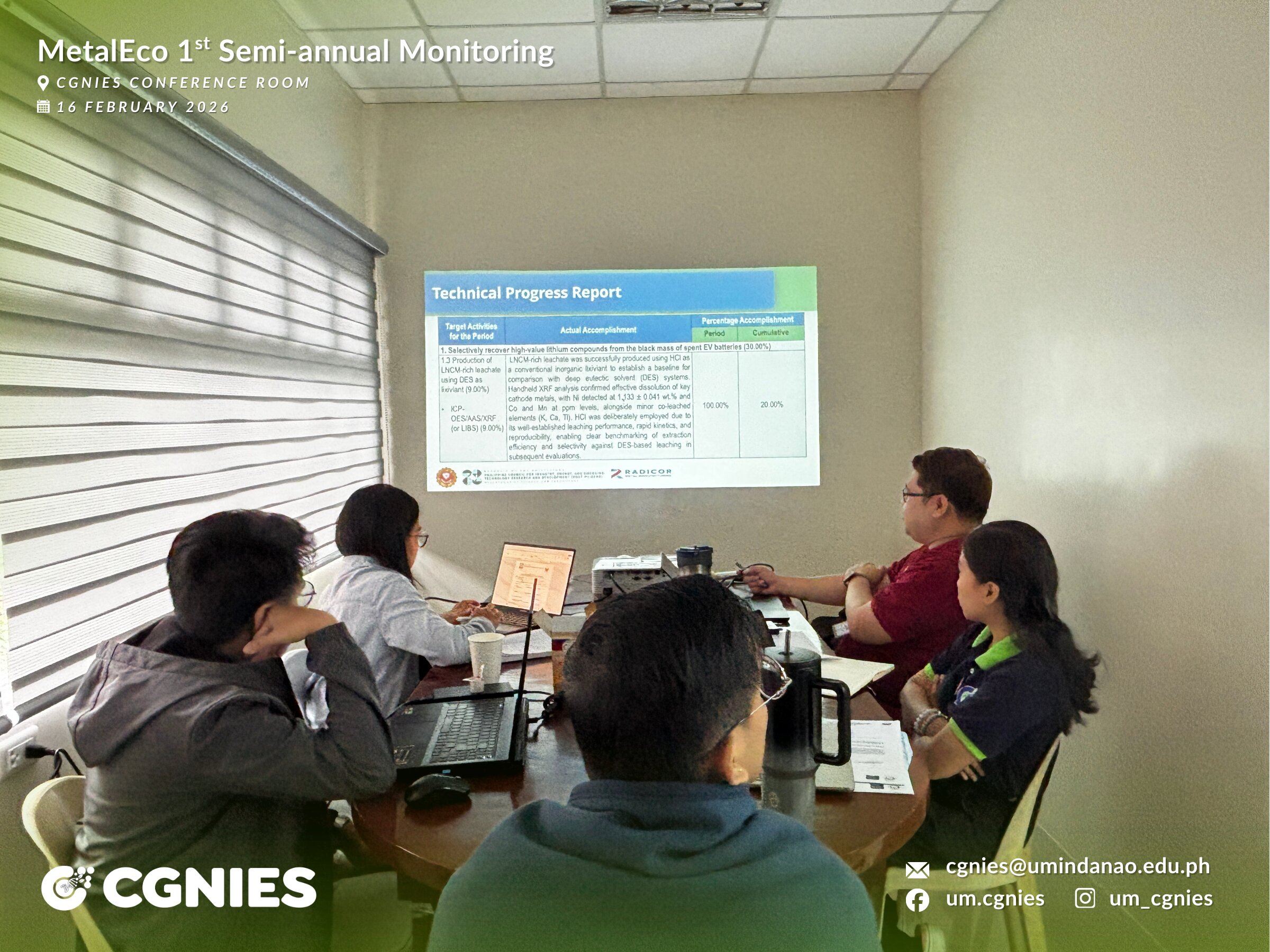
MetalEco: Sustainable Recovery of Valuable Metals from Spent EV Batteries through Continuous Electrochemical System is a 36-month research project that aims to develop a sustainable and innovative approach for recovering high-value metals from spent electric vehicle (EV) batteries. Specifically, the project focuses on the selective recovery of lithium (Li) through a continuous electrochemical system, followed by the sequential recovery of nickel (Ni), cobalt (Co), and manganese (Mn) from battery black mass through electrowinning. The project addresses the growing environmental and resource-management challenges associated with end-of-life EV batteries by promoting the recovery and reuse of critical metals rather than disposal through conventional waste pathways. In addition to metal recovery, the project will evaluate the usability of the recovered lithium by incorporating it into a Li-ion coin cell, paired with carbon nanomaterial-based components derived from agricultural waste, demonstrating a circular and sustainable materials approach. MetalEco is expected to generate valuable metal compounds, support prototype battery component development, provide preliminary cost-benefit data, strengthen academe-industry collaboration, and contribute to policy directions on lithium-ion battery recycling. Overall, the project supports resource efficiency, environmental protection, innovation, and circular economy development in the Philippines.


PreMESS or Predicting Meat Supply System
Government-Funded/Commissioned Research College of Accounting Education Ongoing
#Funded/ Commissioned R & D Project

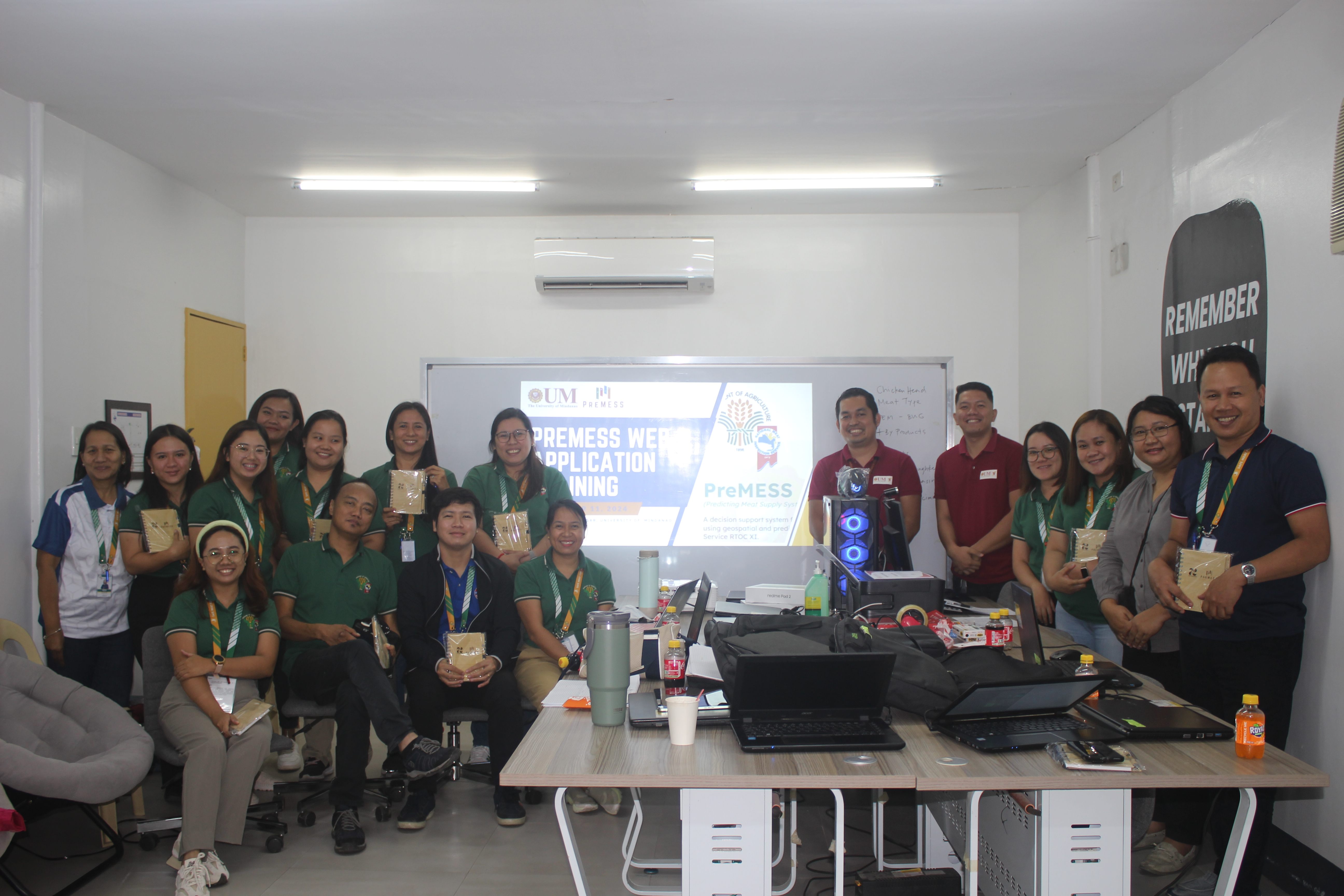
PreMeSS (Predicting Meat Supply System) is a research and decision-support system project focused on forecasting and improving meat supply chain management in Davao City, Philippines. It uses geospatial analytics and predictive analytics to support the National Meat Inspection Services Regional Technical Operations Center XI (NMIS RTOC XI).

Trial Planting
Collaborative Research Professional School Ongoing
#Funded/ Commissioned R & D Project

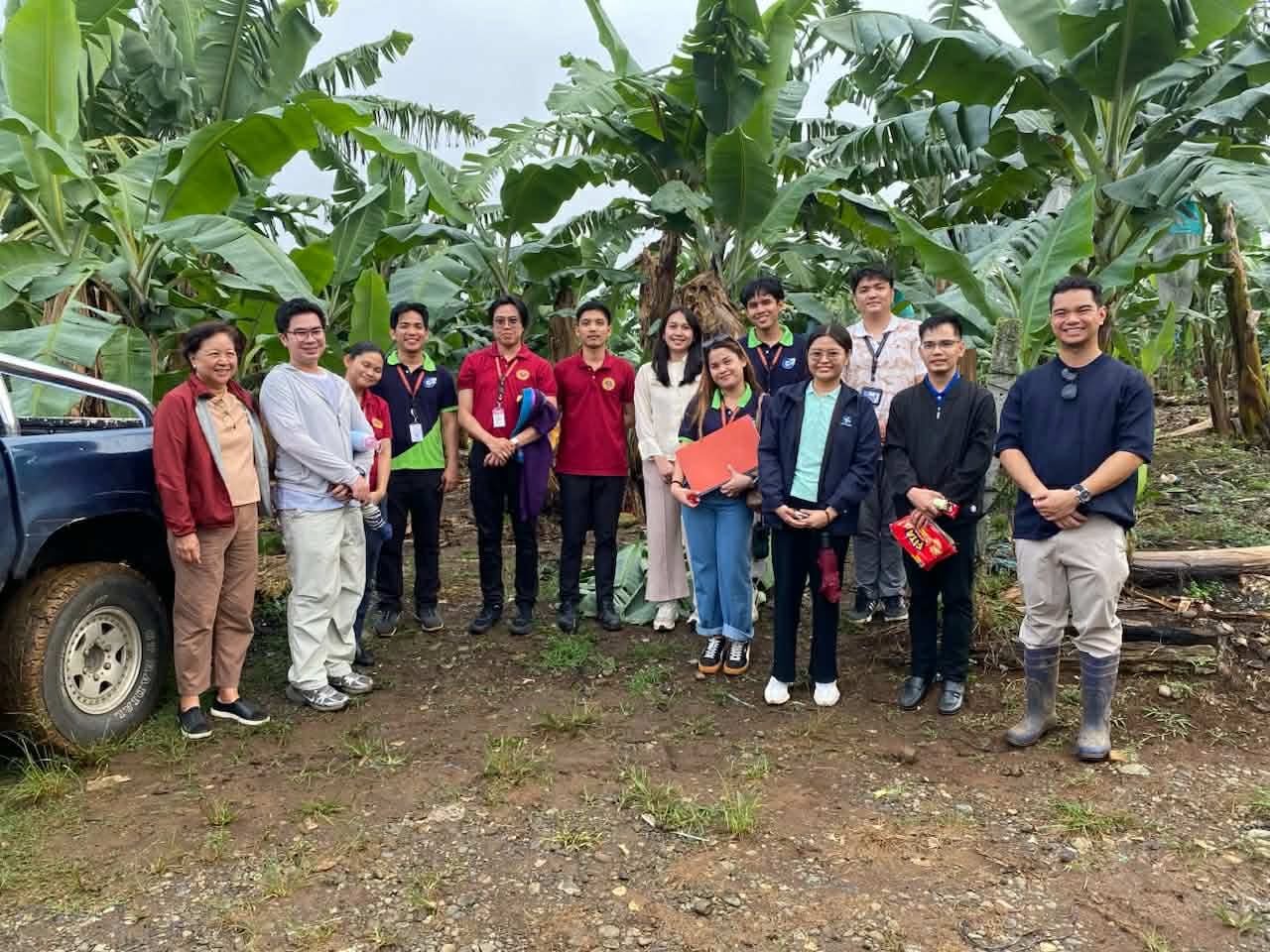
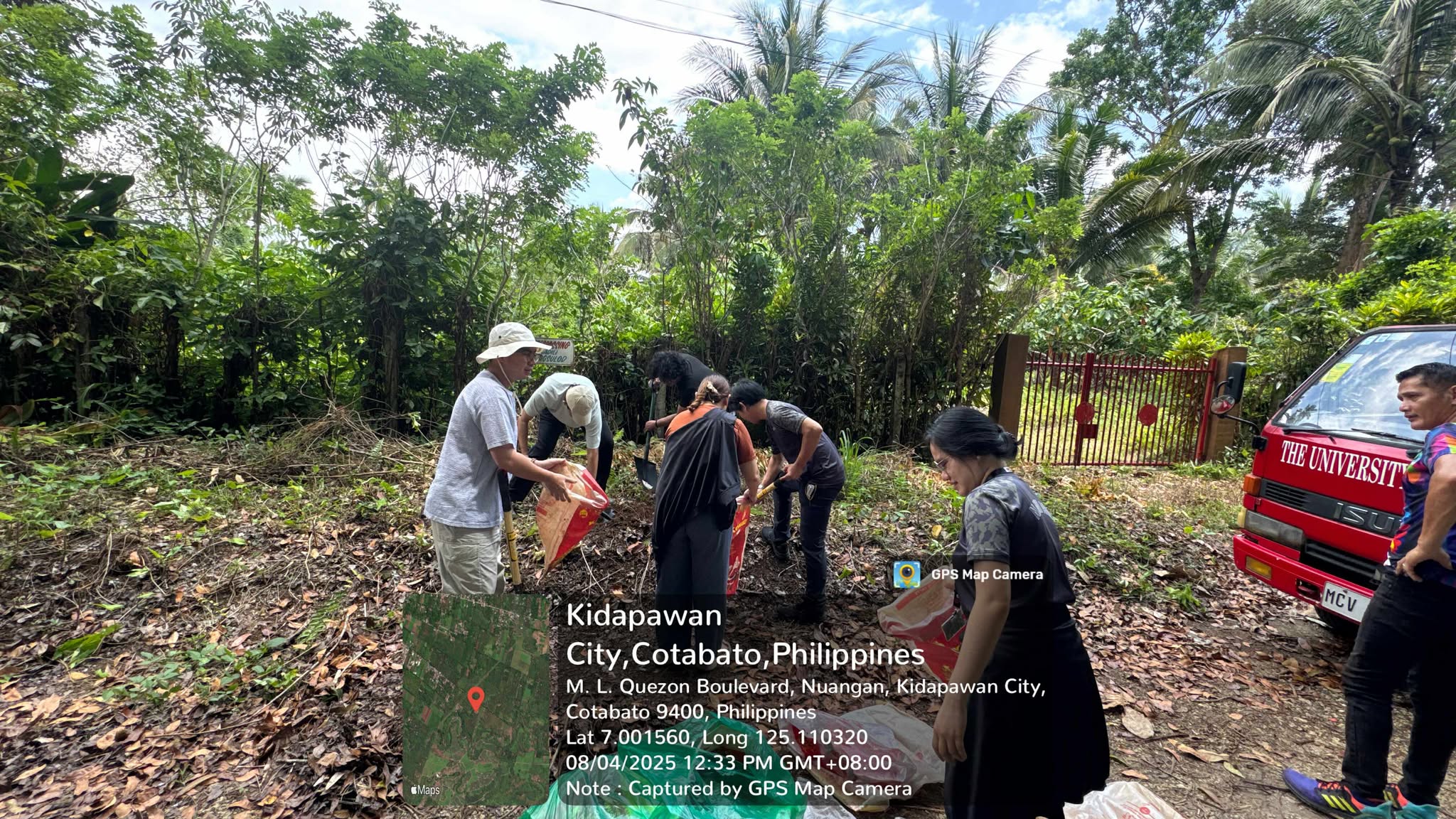
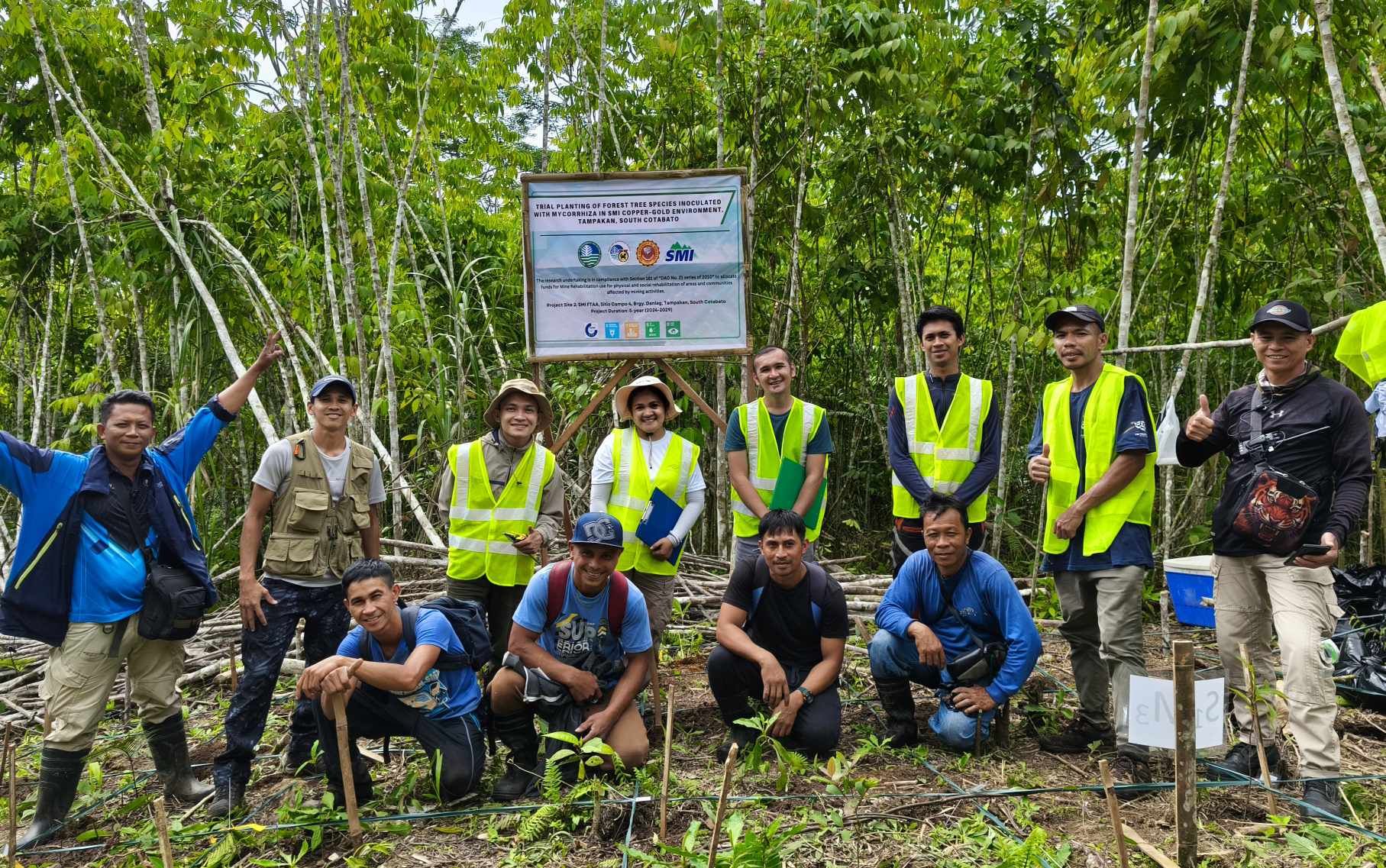
This research project investigates the use of mycorrhizal inoculation to enhance the survival, growth, and remediation potential of selected forest tree species planted in metal-contaminated soils within the Tampakan Copper-Gold Project area in South Cotabato. Implemented as a five-year field experiment, the study aims to generate science-based evidence to support ecologically sound mine rehabilitation and post-mining landscape restoration strategies in the Philippines. The project is a collaborative initiative involving the University of Mindanao, Sagittarius Mines, Inc. (SMI), and the Mines and Geosciences Bureau (MGB) Region XII, building on earlier phases that identified metallophyte species and characterized heavy-metal concentrations in the project site.

e4PsMap: A data analytics-driven Pantawid Pamilyang Pilipino Program (4Ps) maternal and neonatal outcomes monitoring, visualization, and dashboard system for the City of Digos
Ongoing
#Funded/ Commissioned R & D Project

Project e4PsMap is a data analytics-driven application developed through a collaboration between the Department of Science and Technology (DOST) and the University of Mindanao (UM) to enhance monitoring and evaluation of the Pantawid Pamilyang Pilipino Program (4Ps) at the local level. Funded by the DOST-Philippine Council for Industry, Energy and Emerging Technology Research and Development (DOST-PCIEERD) under its Good Governance through Data Science and Decision Support System (GODDESS) initiative, the project delivers an interactive dashboard and visualization system that enables the City of Digos and other local government units to track maternal and neonatal outcomes, compliance rates, and overall effectiveness of 4Ps interventions. By providing geospatial and trend analysis, the e4PsMap supports evidence-based decision making, planning, and reporting by social welfare offices and policymakers, and includes capacity-building components for community social workers in data updating, warehousing, verification, and analysis.